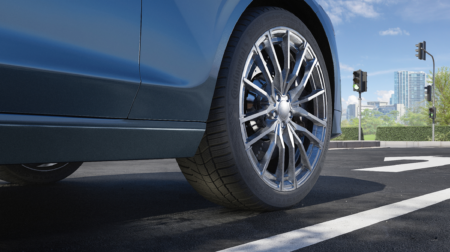


Black is everywhere: car tires, cable coatings, printer ink, seals and flooring materials. Many everyday products owe their color and durability to industrial carbon black. This fine black powder improves stability, abrasion resistance and UV protection. But producing it from fossil resources generates massive CO2 emissions – placing a heavy burden on the climate and the environment
Carbon black is composed almost entirely of carbon and is produced through the incomplete combustion of heavy oil or natural gas. Approximately 15,000,000 metric tons are produced each year globally, with more than two-thirds of this used in tire manufacturing. Each ton of carbon black results in roughly 2.5 tons of CO2 emissions. Altogether, global production accounts for tens of millions of tons of greenhouse gases annually.
Without carbon black, tires wouldn’t be black or nearly as durable. It reinforces the rubber, enhances wear resistance and extends service life. However, the environmental cost is steep, including the use of fossil-based raw materials, high energy consumption and a significant carbon footprint.
Recovered carbon black
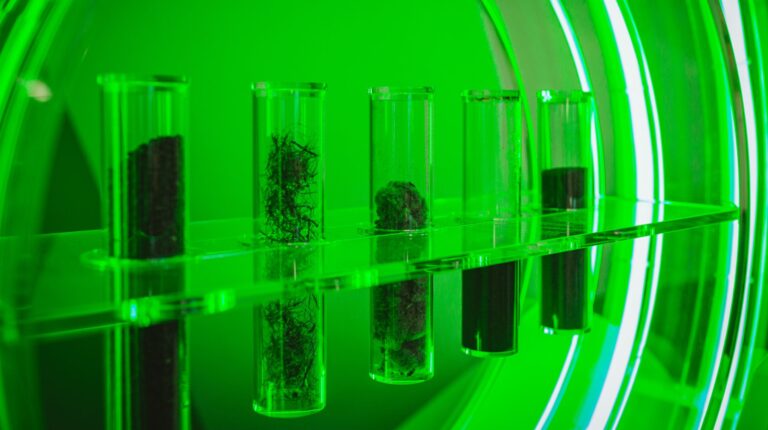
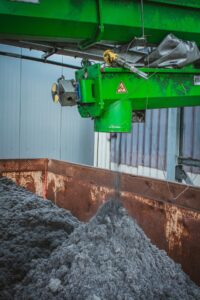
Recovered carbon black (rCB) is a sustainable, climate-friendly alternative produced through the thermochemical recycling of end-of-life tires. In advanced pyrolysis facilities, tires are broken down at 500-700°C in an oxygen-free environment. This process yields pyrolysis oil, gas and a solid carbon residue that is then refined into high-quality rCB.
The benefits are substantial: up to 80% lower CO2 emissions compared with conventional carbon black production, and the valuable materials in the tire are returned to the cycle.
Where rCB already replaces conventional carbon black
In recent years, rCB has evolved from a niche innovation into a commercially viable alternative. Depending on the application, rCB can now replace 20-100% of fossil-based carbon black. It is already successfully used in tires for passenger vehicles, trucks and specialty applications, achieving up to 60% replacement.
Real-world applications
A growing number of mid-sized and large industrial companies across Europe are already using rCB to replace fossil-based raw materials and support circularity.
Since 2023, Schwalbe has incorporated recycled carbon black from end-of-life bicycle tires into 70% of its product range, reducing CO2 emissions by approximately 80% without sacrificing quality or performance. Schwalbe is working with Pyrum Innovations to expand its use of rCB.
In 2022, Nokian Tyres introduced rCB into a commercial product line. In 2024, the company announced a long-term supply agreement with a European end-of-life tire recycling joint venture, including Scandinavian Enviro Systems, to secure rCB supply starting in 2026.
Michelin is incorporating rCB into its next-generation tires. For the 100th anniversary of the 24 Hours of Le Mans in 2023, it developed a racing tire made with 63% sustainable materials, including rCB from Enviro’s Swedish recycling plant. This high-performance tire was used on the hydrogen-powered Green GT H24 prototype – the first time such a high share of recycled content was used in motorsport.
In July 2025, Pirelli launched a mass-produced tire (P Zero for Range Rover) made with more than 70% sustainable content. Alongside bio-based materials, it features circular carbon black derived from pyrolysis oil from used tires. The tire incorporates Pirelli’s recycled carbon black to partially replace conventional carbon black, helping to close the loop on resource use. This marks a major step toward sustainable premium tires in the luxury vehicle segment (JLR/Range Rover), with full-scale production starting in 2025.
Since 2023, Continental has blended recycled carbon black into the rubber compounds of its Super Elastic solid tires (used in industrial forklifts and transportation vehicles) at its Korbach plant in Germany. Supplied by Pyrum Innovations, the rCB replaces a portion of virgin carbon black, reducing fossil fuel use and CO2 emissions.
Plastics and rubber supplier AnVa Polytech has used rCB from end-of-life tires in mass-produced automotive rubber parts since 2016. The recycled carbon black is sourced from local pyrolysis specialist Enviro. By 2023, more than 200 million components – including suspension buffers and seals – had been produced for major auto makers, with a significantly reduced carbon footprint. In 2025, AnVa launched its climate-neutral rubber compound, Climarub, made entirely from recycled carbon black, demonstrating that rCB can meet industrial-scale, high-performance demands.
Conclusion: circularity instead of combustion
Recovered carbon black represents a critical shift toward a truly circular economy. Instead of burning fossil resources, carbon from end-of-life tires is recovered and reused. This reduces CO2 emissions, conserves valuable resources and offers industry a viable path toward sustainable production.
This is an edited version of an article that first appeared on Azur Netzwerk on November 11, 2025.