


Continental has achieved 84 out of a possible 100 points in the latest EcoVadis Sustainability Rating, receiving a gold medal for its performance and ranking among the top 5% of companies assessed by EcoVadis worldwide.
The assessment covers four themes: environment, labor and human rights, ethics and sustainable procurement. This was the first time Continental was assessed in the ‘manufacture of rubber tires and tubes’ industry category, having previously been rated in the manufacture of parts and accessories category.
Jorge Almeida, head of sustainability for Continental’s Tires sector, said, “Even in our new industry category, with its different assessment criteria, we continue to rank among the top 5% of companies worldwide. Our particularly strong score in the environment theme highlights the measures and management approaches we have implemented to achieve our sustainability targets – from using renewable and recycled materials to further reducing emissions at our plants.”
Strong sustainability performance in key categories
Continental achieved its highest scores in the environment and labor and human rights themes, scoring 86 points in both. As part of its assessment, EcoVadis considered factors such as documented environmental and climate-change-mitigation measures, management systems, reporting standards, sustainability policies and sustainable procurement. It also took into account certifications, transparency in sustainability reporting and the implementation of related processes.
Progress in the use of renewable and recycled materials
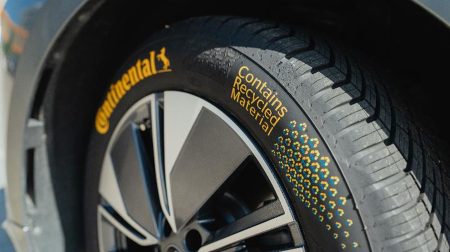
In 2025, Continental increased the share of purchased renewable and recycled production materials for its tires to 28%. The company said that it aims to raise this share to at least 40% by 2030. Materials already in use today include polyester from recycled PET bottles, recycled steel, silica derived from rice husk ash and synthetic rubber made from recycled, renewable and circular raw materials.
Continental also continues to expand the traceability of raw materials and uses certified supply chains as well as mandatory sustainability requirements for direct suppliers.
The company has also made further progress in reducing emissions. By switching to lower-emission energy sources, the company has reduced absolute emissions from tire production by approximately 180,000 metric tons of CO2 over the past four years.
At the beginning of 2026, Continental reached another milestone by completely phasing out the use of coal and heavy fuel oil at all of its production sites. Since then, all tire plants have used alternative energy sources to generate the steam required for tire production and for heating. These primarily include electricity from renewable sources, biomass and biogas, as well as liquefied petroleum gas and natural gas to help ensure a reliable energy supply.
Related news, Acquisitions strengthen Liberty Tire Recycling’s Gulf Coast operations