


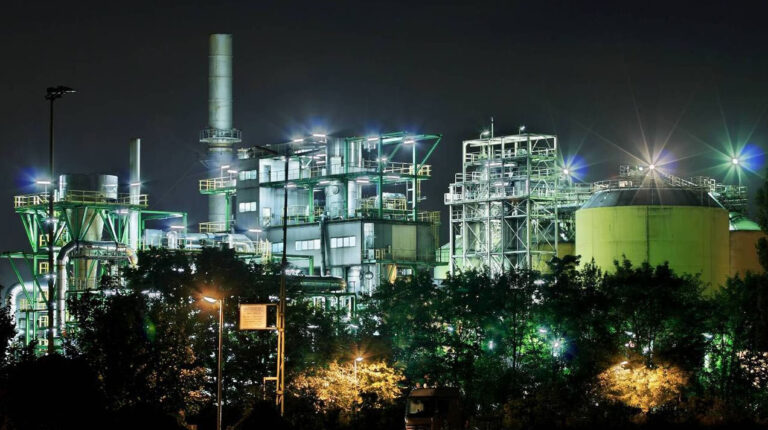
Operational excellence is the engine behind efficient, reliable and high-performing manufacturing of carbon black, a critical material to the performance, quality and sustainability of tire and rubber goods. This business approach – which emphasizes continuous improvement across all aspects of the business by creating a culture where management and employees are invested in outcomes and empowered to implement change – raises the quality of both processes and products, enhances throughput, strengthens safety and improves profitability by establishing disciplined systems and a culture of continuous improvement.
What is less explored is how this same discipline can shape a more sustainable future for carbon black producers and, by extension, the tire and rubber industries. Achieving operational excellence alone does not guarantee sustainability outcomes. In fact, when the pursuit of speed and cost optimization is not viewed through a wider lens, it can inadvertently work against sustainability objectives.
The opportunity lies in strategically channeling operational excellence toward responsible growth. When the focus expands beyond productivity and financial metrics to include resource stewardship and long-term value creation, operational excellence becomes a powerful pathway to a cleaner, more resilient and future-ready carbon black industry.
The intersection of operational excellence and sustainability
Operational excellence, at its core, is about consistent quality, efficient operations, safe workplaces and continuous improvement. When carbon black manufacturers take a sustainability-led approach to operational excellence, they reduce environmental impact, improve yields, limit downtime and enhance supply-chain performance.
A sustainability-oriented operational excellence framework ensures that raw materials are converted into finished goods with minimal loss, while robust quality systems reduce defects and extend product durability. Critically, this approach extends beyond the factory floor: it strengthens responsible practices across value chains and deepens collaboration with customers, suppliers and partners.
Digital tools can amplify these benefits. Real-time data, predictive insights and integrated digital platforms enable manufacturers to detect inefficiencies instantly, prevent resource waste before it occurs, optimize energy use and minimize equipment downtime. The result is improved environmental performance and greater operational stability in an increasingly constrained and regulated operating environment.
Sustained progress, however, requires a broader perspective that balances economic performance with environmental stewardship and social responsibility. The strategic challenge for manufacturers is to harness operational rigor to support long-term ecological and societal benefits.
A 2023 McKinsey analysis found that around 30% of emissions in key sectors can be abated using levers with positive net present value – meaning decarbonization can drive profitability.
Strategic levers to channel operational excellence toward sustainability
Resource efficiency: Optimizing the use of energy, water and raw materials can reduce environmental impact while improving operational performance. Carbon black manufacturing should aim to maximize yield by streamlining processes, enhancing material conversion rates and minimizing waste at every step. Efficiency improvements, whether through better reactor control, heat recovery or advanced technologies, often deliver both sustainability gains and cost savings.
Digitalization for sustainability: New and emerging technologies, including AI, machine learning and predictive analytics, enable deeper visibility into resource use and emissions. AI-driven predictive maintenance can reduce downtime and energy loss while using real-time analytics to identify process deviations before they escalate. Manufacturers that harness digital tools effectively are better positioned to achieve new levels of efficiency, resilience and innovation in a rapidly evolving industrial landscape.
Safe and responsible operations: Safety, environmental compliance and strong governance are foundations to both operational excellence and sustainability. Responsible operations minimize risks such as emissions, hazardous releases and process deviations. Beyond regulatory adherence, companies that lead in safety and environmental integrity earn stakeholder trust, protect workforce well-being and reinforce long-term operational resilience.
Workforce enablement and human-centered performance: Sustainability-aligned operations recognize people as a strategic resource. Investing in employee upskilling, well-being and a sustainability-oriented mindset creates stronger engagement and fosters innovation. Inclusive performance systems empower teams to identify opportunities that reduce energy use, eliminate unnecessary waste and design safer, more efficient processes.
Supplier and ecosystem enablement: Organizations with mature operational excellence capabilities can extend their systems and governance models to suppliers, helping them adopt cleaner technologies, digitize operations and meet shared sustainability standards. This turns sustainability into a collective value driver, strengthening the entire ecosystem rather than just individual company performance.
Overcoming challenges and building a practical path forward
Aligning operational excellence with sustainability often encounters roadblocks. Cost pressures can make long-horizon investments difficult to justify in the short term. Legacy plants and equipment, fragmented data systems and entrenched processes add complexity to change efforts. Additionally, access to low-carbon materials or renewable energy may vary across regions, slowing progress.
A structured pathway helps overcome these barriers. Beginning with high-impact, low-investment actions, such as energy optimization, improved process control or waste-mapping exercises, builds early wins and internal momentum. Progress accelerates when companies align cross-functional teams, build integrated data systems and work closely with customers and suppliers to elevate performance standards across the value chain.
Operational excellence has the potential to evolve from a cost-and-efficiency discipline into a strategic approach to sustainable value creation. When guided by a sustainability mindset, it becomes the catalyst that rewires operating systems, shifting companies from linear consumption toward regenerative, data-intelligent models that anticipate issues and prevent waste before it occurs.
Forward-looking carbon black manufacturers recognize that sustainability is not an adjunct to efficiency but the next frontier of competitiveness. Those who champion this integration are not only improving performance metrics; they are setting new benchmarks for what a responsible, high-performing industry must look like in a climate-constrained world.